Planting Trees: Planning Today for a Greener Tomorrow
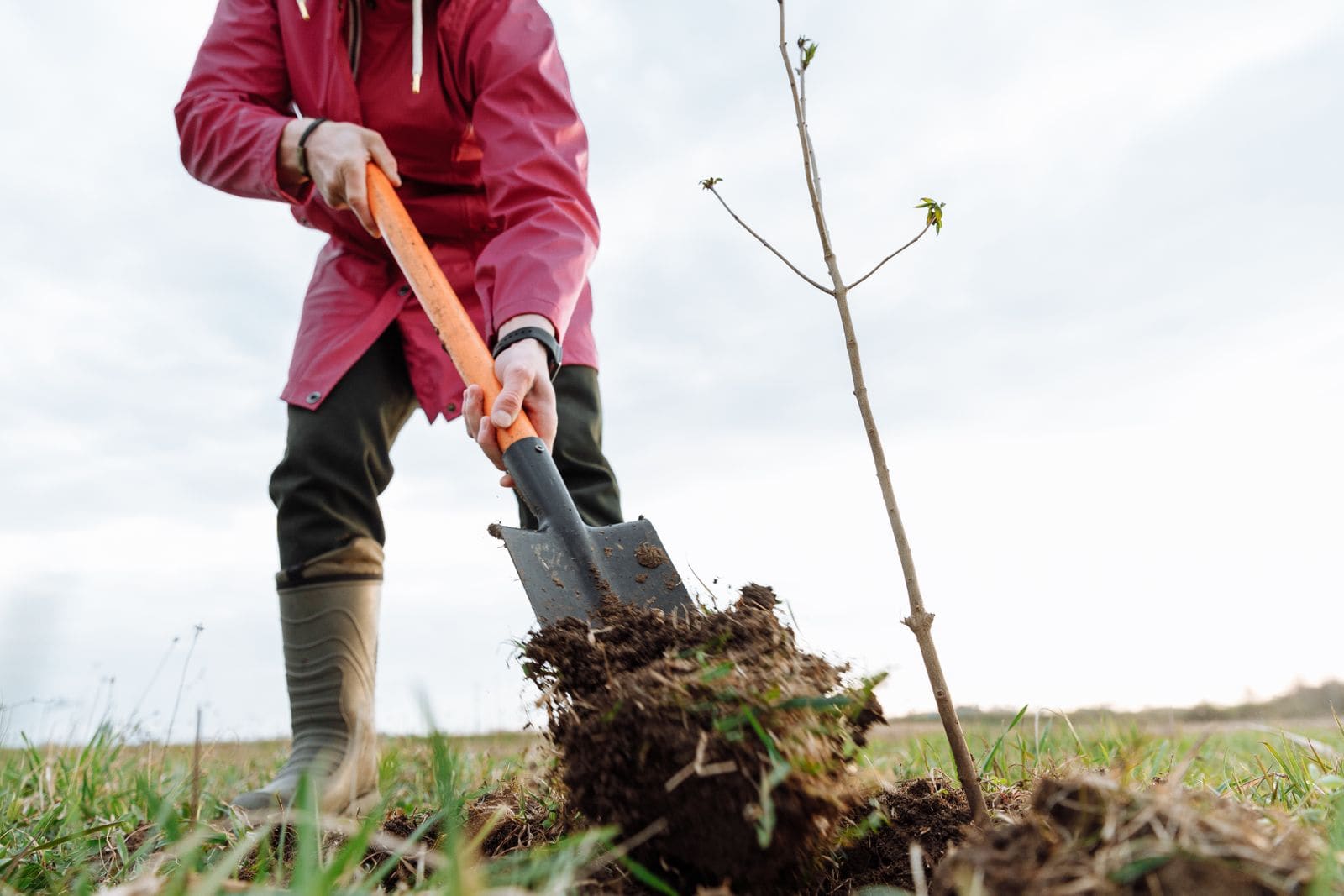
Trees are one of our community’s greatest natural resources. They beautify our neighbourhoods, provide shade on hot summer days, improve air quality, reduce noise, and create habitats for birds and other wildlife. Planting a tree is an investment in the future, but its success depends on careful planning and regular care. With the right approach, a single tree can benefit people and the environment for generations.
The first step in planting a tree is choosing the right species for the right location. Native trees are often the best choice because they are well adapted to the local climate and soil conditions. Before planting, consider how large the tree will become. A small sapling may eventually grow into a large tree with an extensive root system and wide-spreading branches. Avoid planting too close to homes, fences, sidewalks, underground pipes, or overhead power lines. Taking time to plan ahead can prevent costly problems in the future.
The best times to plant most trees are in the spring or early autumn, when temperatures are cooler and there is usually more rainfall. These conditions allow the roots to establish themselves before the heat of summer or the cold of winter. When planting, dig a hole that is about twice as wide as the root ball but no deeper than the roots. Place the tree upright in the hole, fill it with soil, and gently firm the soil around the roots. Water the tree thoroughly to help remove air pockets and encourage root growth.
Caring for a newly planted tree is essential during its first few years. Young trees need regular watering, especially during dry periods. A layer of mulch around the base helps the soil retain moisture, keeps weeds under control, and protects the roots from extreme temperatures. However, the mulch should not touch the trunk, as this can encourage disease and decay.
Routine maintenance helps trees remain healthy throughout their lives. Remove dead or damaged branches through careful pruning, and inspect the tree regularly for signs of pests or disease. Healthy trees are generally more resistant to insects and harsh weather, making regular care well worth the effort.
Tree planting is not only an individual responsibility but also a community effort. Schools, community groups, and local organizations often organize tree-planting events that bring people together while improving public spaces. Every tree planted contributes to cleaner air, healthier ecosystems, and a more attractive neighbourhood.
Whether you plant one tree in your backyard or volunteer at a community planting event, your efforts can make a lasting difference. Trees grow slowly, but their benefits continue for decades. By planning carefully, planting correctly, and providing ongoing care, we can help ensure that future generations enjoy a greener, healthier, and more beautiful community.
Frequently asked
How should I care for a newly planted tree? Sponsored
Young trees need regular watering, especially during dry periods. A layer of mulch around the base helps retain moisture, controls weeds and protects roots from extreme temperatures, but the mulch should not touch the trunk, as this can encourage disease and decay. Prune dead or damaged branches and inspect regularly for pests or disease.
Tri-County Tree
What is the first step in planting a tree? Sponsored
The first step is choosing the right species for the right location. Native trees are often the best choice because they are well adapted to the local climate and soil conditions. Consider how large the tree will become, and avoid planting too close to homes, fences, sidewalks, underground pipes, or overhead power lines.
Tri-County Tree
When is the best time to plant a tree, and how should it be planted? Sponsored
The best times to plant most trees are spring or early autumn, when temperatures are cooler and there is usually more rainfall. Dig a hole about twice as wide as the root ball but no deeper than the roots, place the tree upright, fill with soil, gently firm the soil around the roots, and water thoroughly.
Tri-County Tree